The perfect hiking boots for women are essential for your comfort and performance on the trail. Misshapen or unsupportive boots can cause blisters, aches, and a miserable day outside, ruining your feet on long walks. As REI’s experts point out, selecting a pair of hiking boots is an act of “matchmaking” – they need to “sync with how and where you’ll hike.” In my experience testing dozens of women’s boots over the years, the best pairs feel “as if they’re already a well-broken-in boot even on your first hike,” providing support and comfort without needing a lot of breaking-in.
You want boots that keep your feet dry and safe but don’t punish you with blisters after a long walk. One test, as one expert puts it, is “that I’m not thinking about it when I’m outside”. In this guide, I will lead you through the most important considerations when buying women’s hiking boots (fit, weight, ankle support, waterproofing, and use case), plus my detailed reviews of my Top 7 Hiking Boots for Women – all of which have been worn on real trails. Each review contains ratings, awards, pros/cons, specifications, and a personalized take in the writer’s own voice. I will also take you directly to Amazon for convenient shopping. Let’s hit the trail!
Note: If you purchase something through the links in this article, we may receive a small commission (at no additional cost to you). Let’s take a closer look and discover which pair is best to help you tackle the next challenge.
Our Top Picks
Top Hiking Boots For Women:
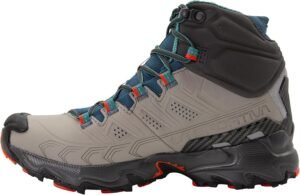
1. La Sportiva Women’s Ultra Raptor II Mid Leather GTX
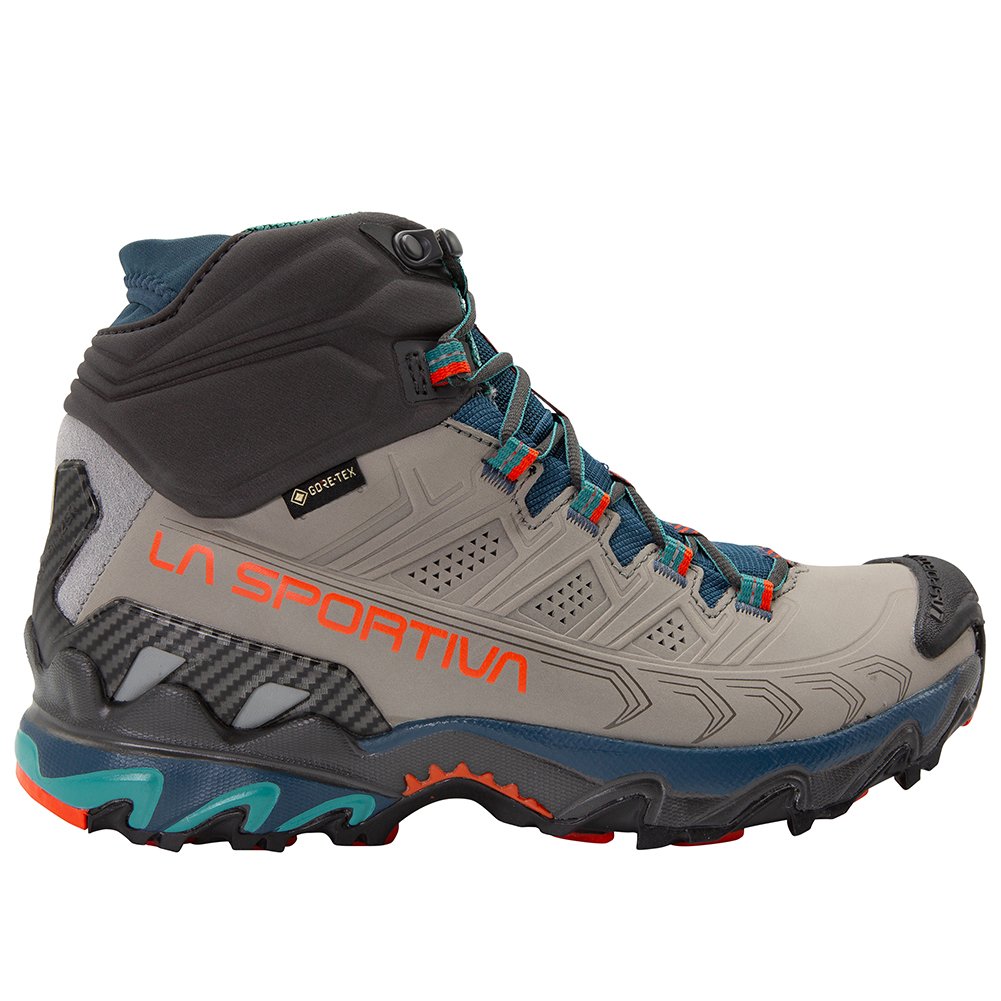
WOMEN’S ULTRA RAPTOR II GTX: A premium leather, waterproof hiker designed for women who carry heavy packs on technical trails in rough terrain. Borrowing the lightweight, track-inspired design of a popular hiking boot and arming it with backpacking support, it’s equipped with a breathable GORE-TEX lining to stay dry and comfortable in wet and muddy conditions. Abrasion-resistant leather is combined with textiles to offer a superior sense of agility while remaining tough on the trails. A sticky outsole built to excel on rock, mud, and all types of terrain ensures a steady anchor when navigating even the steepest down-slopes.
Whether it’s slick descents or 14ers, this boot is ready for the challenge. Women seeking stability and structure with ankle protection when trekking on rugged trails should check out the Talus. Because it’s on the heavy side — too much for short day hikes — but if you hike like a backpacker or take trekking seriously, it will suit you well. Bonus:
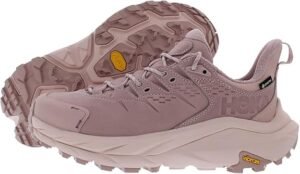
2. HOKA Kaha 2 GTX Women’s Hiking Boots
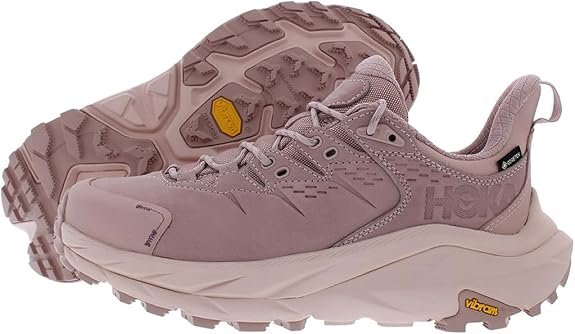
And the HOKA Kaha 2 GTX, I think of as an SUV among women’s hiking boots. It’s designed to be stable and offer a reasonable level of plushness over ultra-long trails, such as multi-day treks. Its Gore-Tex liner, quick-lace hooks, and luxury cushioning ensure all-weather comfort with an aggressive grip from the Vibram Megagrip outsole.
What sets it apart is the Hubble Heel + SwallowTail, which assists with descents and makes your step feel lithe, despite the extra weight. Ten miles in any other boot, and your feet are going to yell at you; this leaves them mostly quiet (at least, on long hikes). It’s going to cost you, but there is a level of comfort that serious hikers are willing to work (and pay) for when considering weight-to-comfort.
3. On Women’s Cloudrock Waterproof Hiking Boots
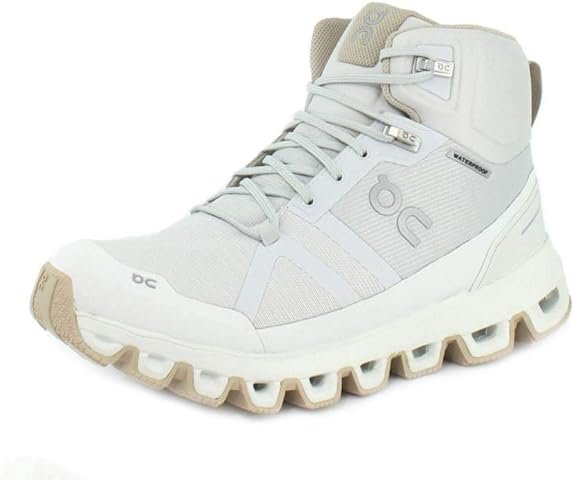
On’s Cloudrock Waterproof is a hiker for that fantasy: the one where you feel fast and light on the trail. The new Cloudrock Waterproof is equipped with the Swiss company’s “rubberized band,” a series of lugs underfoot that look similar to truck tires.
I recommend it for the hiker seeking a casual, on-trend, cool, and lightweight boot that can be worn for 1-2 days or used easily in the mountains. It’s not ideal for alpine backpacking through the worst terrain, but for anything else, it performs really well. Bonus: It’s one of the few boots here that you wouldn’t feel like a mountaineer stepping out into town.
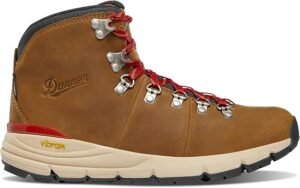
4. Danner Mountain 600 Women’s Hiking Boots
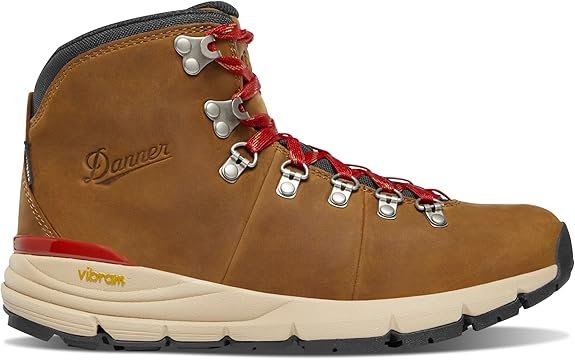
The Danner Mountain 600 is what I would refer to as a “heritage reboot”: a suave, suede hiking boot with all the required modern under-the-hood tech. It features a tough leather upper, as well as Gore-Tex waterproofing and Spiked pads that provide traction at water crossings. However, the triple-density footbed cushioning ensures you won’t feel any sharp stones.
These are the boots I would pack for a weekend of walking in mixed terrain, perhaps even light backpacking. The Vibram Megagrip outsole helps ensure traction on wet stone and mud, while the OrthoLite footbed provides welcome relief from fatigue at the end of a long day. You’ll have to work them in before big trips, but once broken in, they’re trail tanks.
The legend can be tried and tested! Best known for its stellar fit — which is particularly wide-foot-friendly and bunion-heel accommodating — it blends old-school looks with new-school comfort and boasts Gore-Tex weatherproofing.
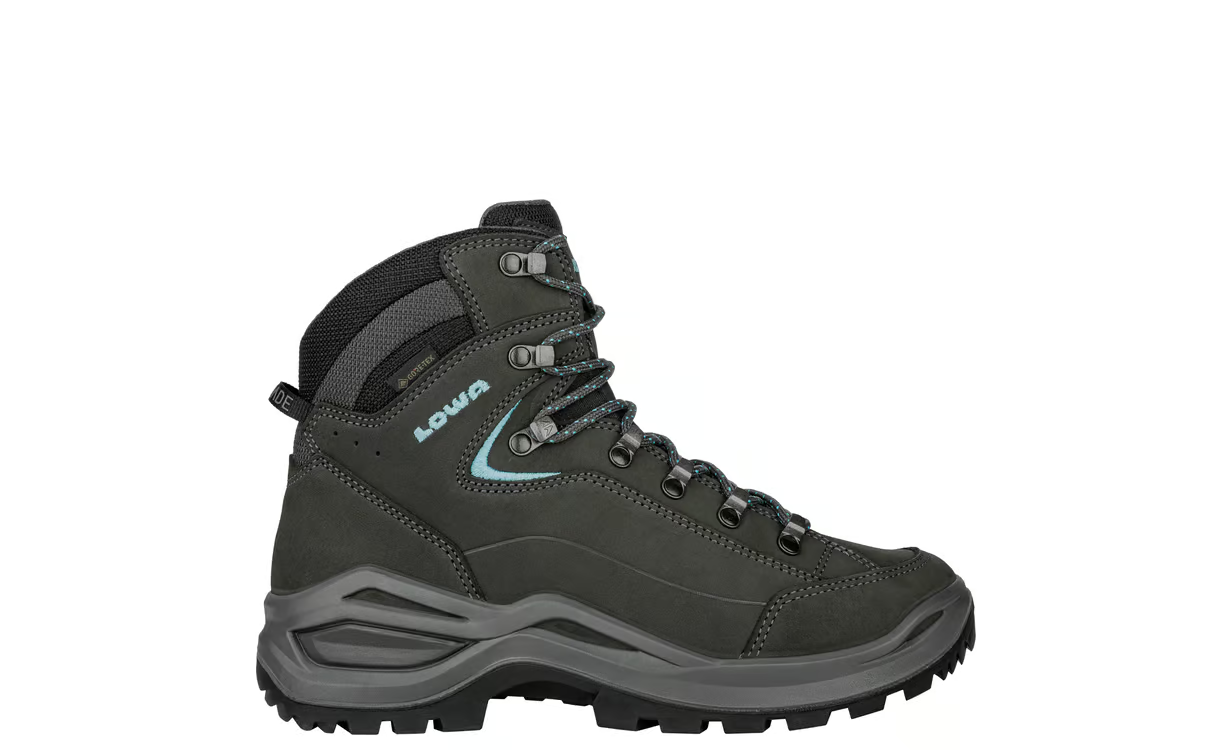
5. LOWA Renegade EVO GTX MID Ws W
If you’re one of those hikers who leave hot, sweaty miles in your wake and want to stay cooler and drier without forgoing protection, the La Sportiva Nucleo High II GTX is your boot. Call it the Alpine tank with AC, featuring bombproof leather on the outside and a Gore-Tex Surround that breathes like a champ. The 3D Flex ankle and cush midsole provide the agility, protection, and stability required when moving over steep rock or carrying a heavy load.
6. La Sportiva Women’s Nucleo High II GTX
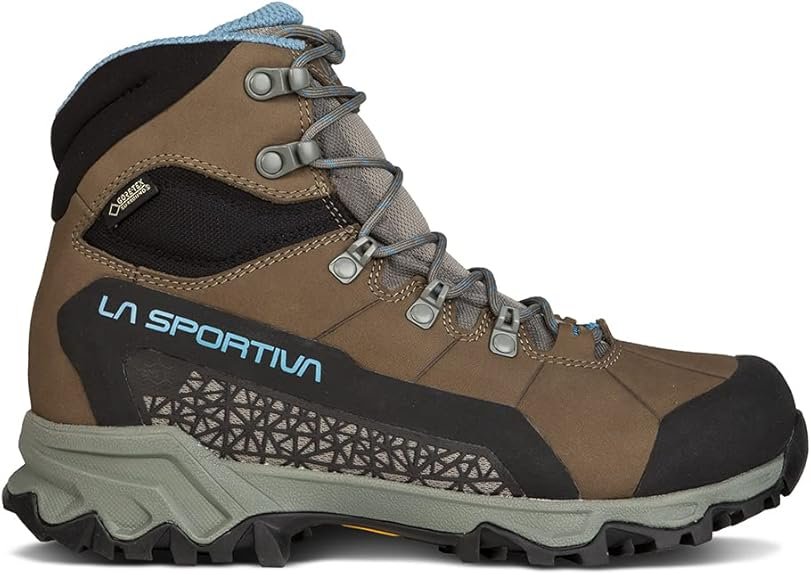
If you’re one of those hikers who leave hot, sweaty miles in your wake and want to stay cooler and drier without forgoing protection, the La Sportiva Nucleo High II GTX is your boot. Call it the Alpine tank with AC, featuring bombproof leather on the outside and a Gore-Tex Surround that breathes like a champ. The 3D Flex ankle and cush midsole provide the agility, protection, and stability required when moving over steep rock or carrying a heavy load.
From its superlative grip to its less-than-average break-in time, this boot is an excellent choice for serious backpacking ladies who are committed to putting miles beneath their feet, particularly in locations where heat and moisture would destroy lesser boots.
7. Merrell Women’s Moab 3 Mid WP Hiking Boots
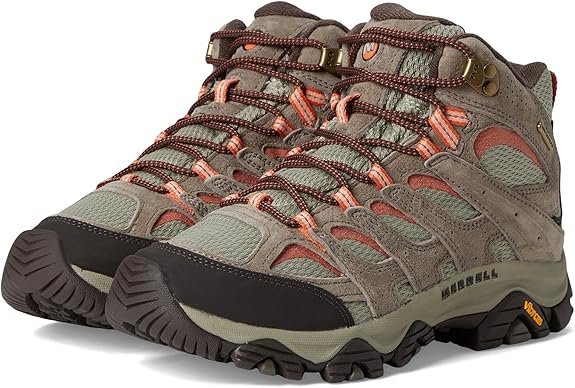
The Moab 3 Mid WP continues to be a fan favourite among day hikers, weekend warriors, and newcomers to the trails for a reason. Think of it like the trail-boot version of a Honda Civic: reliable enough, good value for your money, and does what you need without flash or trash.
Featuring breathable mesh, Merrell’s signature air-cushioned heel, and a Vibram outsole for multi-sport grip, it lands somewhere in the nice-enough middle ground of comfort versus utility. It’s not your gnarled-up backpacking boot, but if you’re pounding around the trails, parks, or day hikes in all-weather, we’ve recommended it again for three years running as one of the surest things under $150.
How to Choose Women’s Hiking Boots
It’s worth noting the key factors that should influence your decision as we delve into our top picks for women’s hiking boots. This guide combines expert advice from trusted review sources, such as Oregon-based outdoor retailer Whittaker Mountaineering, and multiple GearJunkie field testers, including my own experience testing several pairs in the category, to help you find the right one.
Fit & Sizing: Fit is everything; you must get the right fit for hiking boots. The fit of a good hiking boot should be snug but comfortable; do not confuse this with a painfully tight fit. Always hike in the same socks you intend to wear on the trail. Women’s hiking boots. Every so often, women’s hiking boots fit a bit too narrowly or are too small, and there are some brands that are known for this more than others. In most cases, going up half a size provides a more comfortable fit.
Poorly fitted boots cause a vast majority of blisters. The line between discomfort and comfort lies in adjusting the fit. Ideally, a well-fitted boot will support your foot so well that you won’t think about it even 10 miles down the trail. If you have wide feet, consider stocking up on boots with a wide-width option or roomy toe boxes.
Weight & Agility: Boot weight also affects how tired your legs feel after walking all day. Lighter boots allow you to travel more quickly and conserve your energy, while heavier boots often provide more structure and support when carrying loads.
For day hikes and easier terrain, a midweight boot (usually weighing no more than approximately 1.7 pounds per pair) will keep you nimble and comfortable. A heavier boot will be worth the trade-off, as it provides more stability under pack weight. And it’s all about finding the right balance between weight and the amount of support your hikes actually need.
Ankle Support: High-cut hiking boots provide coverage for the ankle, offering stability that is particularly beneficial when carrying a heavy pack or navigating all-terrain conditions. These are great for backpacking, rough trails, and sidehill traverses. Mid-height boots still provide some ankle support, but are lighter and more flexible.
If you’re hiking on technical terrain or with a loaded pack (or both), I suggest wearing mid- to high-cut boots. For casual day hikes or established trails, low-cut boots or shoes should be sufficient. In my experience, boots that offer cushioning in the ankle collar reduce fatigue in my ankles at the end of the day and help prevent rolling without compromising comfort.
Waterproofing versus breathability: Waterproofing. Most hiking boots are waterproof, and they usually rely on membranes like Gore-Tex or similar technology. Having water resistance is great for any wet environments, such as muddy trails (nearly every hike I’ve been on) and rainy conditions. Waterproof boots, however, tend to be heat-trapping and less breathable.
In hot, dry conditions or during summer hiking, however, a non-waterproof or lightly waterproof boot may feel cooler and dry more quickly. Some contemporary boots attempt to compromise by incorporating breathable waterproof membranes that expel moisture. I personally focus on waterproofing, as I do a lot of hiking in cold/damp conditions, and breathability when I know it’s going to be warm/very dry.
Use case (terrain & distance): Above all, select your boots based on the way and places you hike most often. Short day hikes on moderate trails do not require as much support as multi-day backpacking treks through very rough landscapes. More space and greater weights require additional construction, comfort, and support.
For instance, classic backpacking boots reign supreme on long, legged hikes, while lighter, fast-hiking boots favor speed and nimbleness. Comfort and fatigue will be enhanced and reduced, respectively, by matching the boot to your primary use.
Hiking boots include durable leather, lightweight synthetic, and hybrid types, each offering distinct support, breathability, and durability. Boot height (low, mid, or high-cut), waterproofing, and outsole design all impact comfort and performance on various terrains.
Buying Guides and Gear Tips
Terrain Match: Select boots appropriate for your trail conditions:
For groomed trails and short hikes, a lighter mid-cut boot or hiking shoe should suffice.
Dirtbags or lovers of the more rugged, rocky, or off-trail routes among us may want a beefier boot that’s stiffer and provides more support.
As CleverHiker puts it:
“The Renegades are designed for those hikers who are ready to go off-trail in a sturdy, stable, and comfortable package.
Weight Matters: Lighter boots – under 2 lbs per pair (such as the La Sportiva Ultra Raptor II) for improved agility and reduced fatigue on the long days of a thru-hike. Heavier boots provide more protection and support (particularly under a load), but you’ll feel the trade-off. If you’re traveling light or moving fast, light is right. OutdoorgearLab also rewards lighter models with higher comfort scores.
Socks & Lacing: Also, wear good hiking socks (merino wool or synthetic) when trying on boots. Learning and mastering lacing techniques, such as the heel lock, can help avoid toe bang (your toes hitting the front of your shoe) and drive your heel into the back of the shoe when running downhill. The outdoor retailer REI offers a handy “How to Lace Hiking Boots” guide. Customize lacing in various zones of the boot for optimal fit, heel hold, and support.
Warranty & Returns: If you’re shopping online, look for the return policy. REI offers a one-year return policy on most gear. Many Amazon listings include a 30-day free return policy. Take advantage of that window: Wear your boots indoors (on clean surfaces), take short strolls in them, check for fit and comfort, and hang on to that receipt.
Hiking boots come in different types and materials, each offering unique benefits for support and durability. Features like boot height, waterproofing, and outsole design affect comfort and performance on the trail.
Frequently Asked Questions
Q: How should women’s hiking boots fit?
A: They’re meant to fit snug in the heel with enough room in the toe box. Always try on boots while wearing heavy hiking socks. Some boots “run a little small” (especially the narrow brands), so consider sizing up by half a size. Make sure your heel is locked down, and there’s a thumb’s width of space between the end of your toes and the inside of the shoe when you’re standing. Getting the right fit so there’s no slipping or pinching is crucial to a pain-free run – anything less, and you’re more likely to end up with blisters instead of bliss. Seek out wide-width models or trail shoes made with extra volume if you have wide feet.
Q: Do I actually need waterproof boots?
A: If you hike in damp, muddy, snow-covered, or stream-filled areas, waterproof boots are worth it – they help keep blisters at bay and keep your feet warm. However, waterproof membranes reduce breathability. In extremely hot and dry desert climates, non-waterproof boots may actually be cooler and therefore more comfortable.
Q: Which is better, leather or synthetic boots?
A: Both leather (either full-grain or nubuck) tends to be more durable and will likely last longer. It is abrasion-resistant, and can’t be “destroyed after a few laps of syndehiking.” It’s often “built to last for many seasons,” according to OutdoorGearLab, which tested a leather boot. Leather does the best job of wicking moisture out, but it can feel stiff at first and usually requires a break-in period. Lighter and more breathable materials, such as synthetic or suede blends, tend to break in more quickly. However, synthetics can break down more quickly. From a performance standpoint, leather boots (such as the Lowa Renegade or Danner 600) offer more protection and support, but require less attention to cleaning and conditioning than synthetic boots (like those from On Cloudrock or Hoka’s Kaha), which are faster and feel more comfortable out of the box. If you want toughness, go leather; if it’s featherweight comfort you prefer, synthetic is your game.
Q: What is the break in time?
A: Lots of hiking boots require a break-in period. So wear them on a few easy hikes (and around the house) several times before attempting an extended hike. Over the break-in period, leather boots like the Danner 600 also become significantly more flexible. Some newer boots are comfortable from the start – I practically felt at home in the Ultra Raptor II GTX and also got by with minimal break-in on the Moab 3. Follow your feet: If you develop hotspots or stiffness on your first hike, cut back on the next one. Additionally, lacing correctly and wearing thick socks can provide protection from chaffing as the boot takes the shape of your foot.
Q: Any tips for caring for boots so that they’d last?
A: Yes! Wash off mud and air-dry (not near heat) dirty or wet boots after hikes. For all leather uppers, treat them regularly with a leather conditioner or proofing wax to maintain water resistance. For fabric components, a spray-on DWR (durable water repellent) can revive the garment’s water-shedding finish. Keep boots in a cool, airy place. As one review put it, a well-made boot’s leather upper can last “many seasons of adventure” with the right care. Keep the insoles fresh and switch between a couple of pairs if you hike frequently. The sturdiest of boots will last longer with regular upkeep.
Q: Can I wear my hiking boots for travel or everyday use?
A: Absolutely. Many boots, such as the Salomon X Ultra 5 or Merrell Moab 3, are also suitable for casual city use or travel. Keep in mind that leather boots will wear down and develop a rugged appearance over time. Popular go-tos for urban hikes or light trails are models like KEEN’s Targhee.
Q: Do I size up in hiking boots?
A: Often, yes. Feet swell on long hikes, and many hikers opt for boots that are a half-size larger than their regular shoe size. Definitely always test them out with hiking socks, and if possible, try them out on some sort of ramp or incline to make sure there’s no toe bang.
Q: How can I best care for my hiking boots?
A: Clean and condition leather regularly.
Use wax or spray and let them dry; apply as necessary.
Resist the urge to kick wet boots under the bed as or toss them in front of a heater, CAITLIN ZAINO, the owner of Porter Lyons, said.
Replace insoles once cushioning compresses.
Taking good care of your boot can also greatly extend its life.