A faulty sleeping bag can ruin a camping trip more quickly than lousy weather. Too chilly, and you’re lying awake at 3am staring blankly at the ceiling of your tent. Too fat and you’re carrying weight you don’t need to. These seven are the ones actually worth your money in 2026 — ranked here by warmth, packability and straight-up value for honest sleep after testing dozens of bags on car camping weekends and cold-weather nights.
Whether you’re a weekend car camper who wants something comfortable and affordable, or a backpacker counting every ounce, there’s a bag here for you. None of that gear-review fluff, just the nuts and bolts about temperature ratings, down vs synthetic insulation, shape, etc.
Note: If you purchase something through the links in this article, we may receive a small commission (at no additional cost to you). Let’s take a closer look and discover which one is best to help you tackle the next challenge.
Top Adults Sleeping Bags:
← Swipe to compare →
| Name | Quick Info | Rating | Best For | Link |
|---|---|---|---|---|
| Coleman Heritage Big & Tall Synthetic · 10°F · 40×84 in Best for Big & Tall | 5 lbs Holofill 808 insulation, soft flannel interior, FiberLock to prevent shifting, Wrap ‘N’ Roll storage | ★★★★☆4.0 · Amazon | Car campers up to 6’7″ wanting a roomy, warm, bed-like feel | Amazon ↗ |
| Kelty Cosmic 20° Down · 20°F · 2 lb 6 oz Best Value Down | 550-fill down, recycled shell with PFAS-free DWR, dual zippers for venting, mummy shape | ★★★★☆4.0 · Amazon | Backpackers seeking down warmth and compressibility on a budget | Amazon ↗ |
| TETON Sports Deer Hunter Synthetic · 0°F · 90×39 in | TETON Tough canvas shell, poly-flannel lining, SuperLoft Elite insulation, draft tubes | ★★★★★4.8 · TETON | Hunters and car campers who prioritize warmth and durability over weight | Amazon ↗ |
| Coleman North Rim 0°F Synthetic · 0°F · Mummy | Coletherm insulation, Thermolock draft tube, adjustable hood, ZipPlow no-snag zipper | ★★★★★5.0 · Amazon | Cold-weather campers needing reliable warmth on a budget | Amazon ↗ |
| Sea to Summit Spark Women’s UL Down · 3-Season · Ultralight Premium Pick | 850+ fill down, women-specific contoured fit, 10D shell, Ultra-Dry Down tech | ★★★★☆Rating N/A | Female backpackers seeking an ultralight, thermally efficient bag | Amazon ↗ |
| Sierra Designs Cloud 20° Down · 20°F · < 2 lbs | Zipperless design, 800-fill DriDown, comforter-style opening, ultralight nylon shell | ★★★★★5.0 · Amazon | Backpackers who feel restricted in mummy bags and want blanket-like comfort | Amazon ↗ |
| Sea to Summit Spark Pro UL Down · 3-Season · 1.6 lbs | 950+ fill down, Free Flow Zip system for venting, 10D shell, Ultra-Dry Down | ★★★★☆Rating N/A | Serious backpackers who demand maximum warmth for minimal weight | Amazon ↗ |
1. Coleman Heritage Big & Tall 10°F Sleeping Bag (Best Cold Weather Comfort)
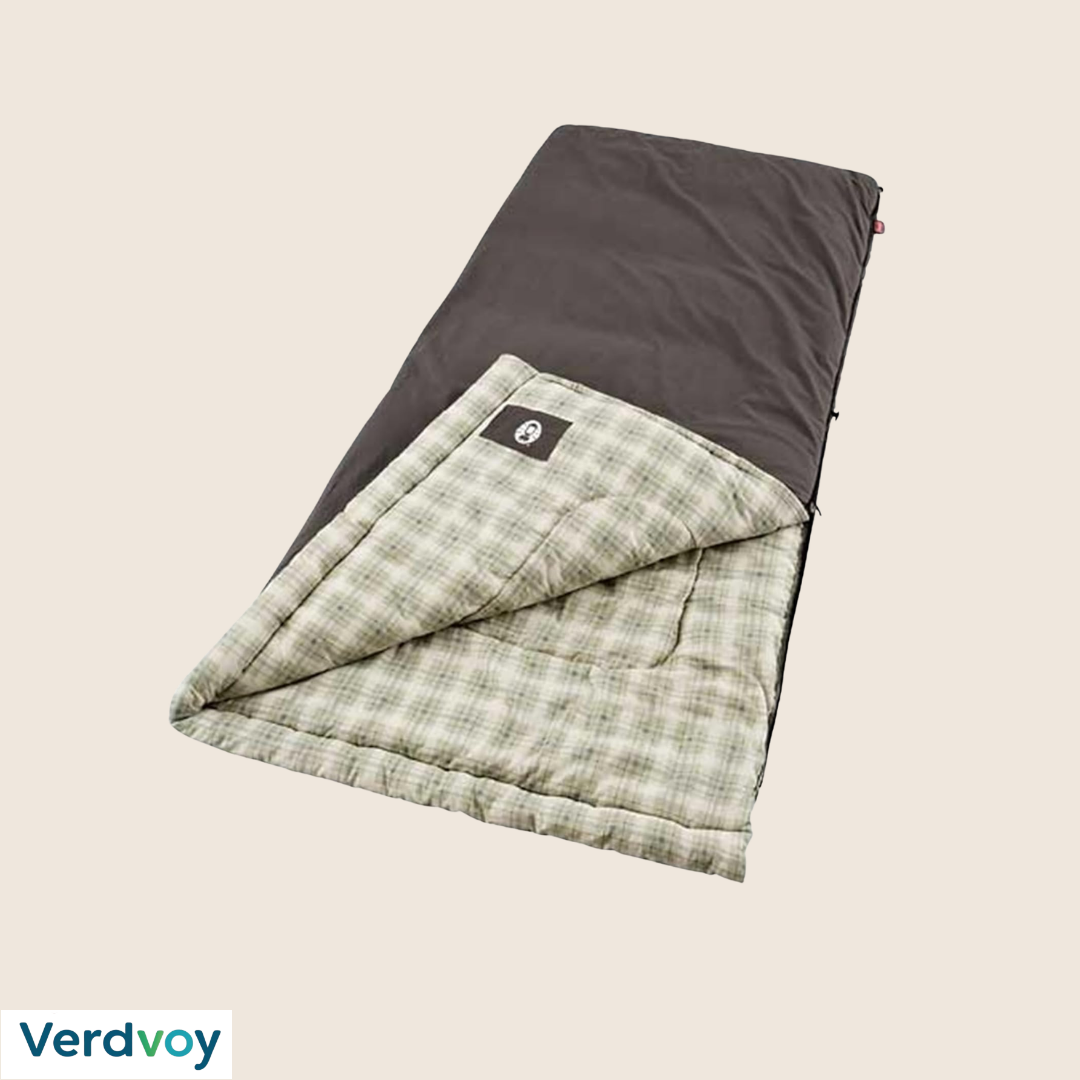
The Coleman Heritage Big & Tall 10°F Sleeping Bag is designed for cold-weather camping and offers maximum warmth and extra space. This is a mammoth 40 × 84-inch sleeping bag material that’s perfect for tall campers up to 6 ft 7 in and a great option if you think most sleeping bags are too short or stuffy.
But warmth is the bag’s biggest asset. It uses 5 pounds of Holofill 808 insulation (which, its creator maintains, holds heat close to the body until it drops to nearly 10°F) while — with a soft flannel interior — wrapping you in a warm cocoon that’s more bed than sleep bag.Coleman includes some practical touches for comfort and playability. This FiberLock construction prevents the insulation from shifting over time, while a patented No Snag zipper minimizes infuriating zipper jams.
Coleman’s patented Wrap ‘N’ Roll storage system allows this sleeping bag to go from pack to roll for stowing while keeping the bag all zipped up as it rolls.Yes, it’s bulkier than a true backpacking sleeping bag. For car camping, hunting trips, and guest bedding for which comfort is more important than ultralight portability, though, the Heritage Big & Tall is a no-brainer.
2. Kelty Cosmic 20 Down Sleeping Bag (Best Backpacking Value)
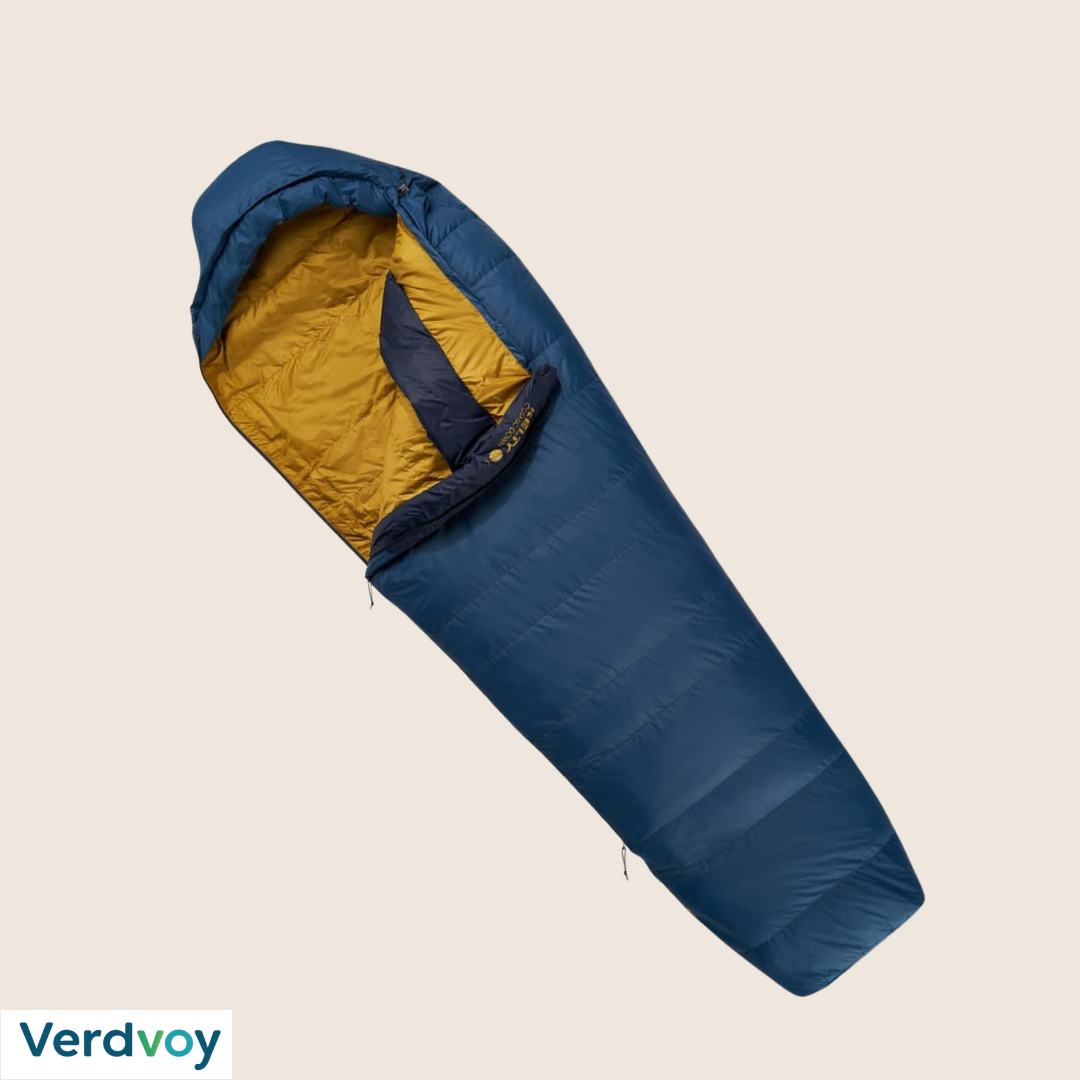
The Kelty Cosmic 20 Down Sleeping Bag is one of the best-selling backpacking sleeping bags for campers who want lightweight performance without paying premium ultralight prices. The Cosmic has long been a workhorse in Kelty’s lineup and a go-to bag for backpackers seeking reliable warmth and compressibility.
The bag features ethically sourced 550-fill-power down insulation, offering superb warmth and high compressibility. This means the sleeping bag can be packed down small enough for backpacking while still comfortable.Also, the shell is made of recycled nylon and polyester and treated with a PFAS-free, durable water-repellent finish. This both protects the insulation from moisture and reduces environmental impact.
The mummy-style design increases thermal efficiency by minimizing excess air space within the bag, helping retain heat in cooler environments. Kelty also adds dual-direction zippers, which help regulate temperature as the weather warms up.At just over 2 lb 6 oz, it hits a great balance between warmth, packability, and price. For backpackers seeking dependable performance without ultralight prices, it’s among the best deals on the market.
3. TETON Sports Deer Hunter Sleeping Bag (Best Heavy-Duty Cold Weather Bag)
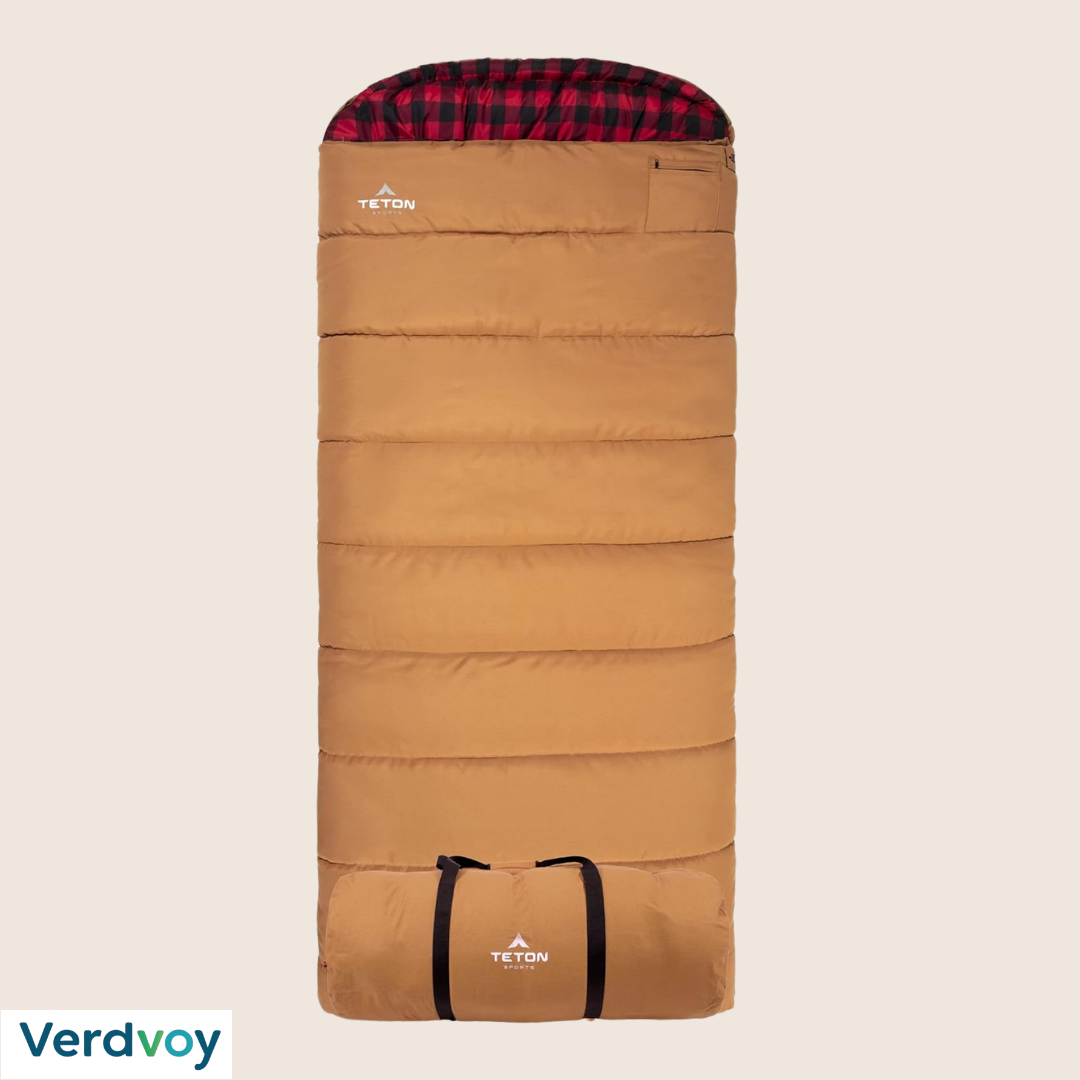
TETON Sports Deer Hunter Sleeping Bag: Built for campers and hunters, this bag offers serious warmth and rugged durability when the howling wind kicks up. This model is designed for durable construction and comfort on cold-weather camping (rather than ultra-lightweight backpacking sleeping bags).
Its standout feature is the TETON Tough canvas shell designed for rugged outdoor use. And because moisture, dirt, and abrasion do little to stain or degrade canvas fabric, it’s also a great option for longer hunting trips or extended camping stays.Its interior features soft poly-flannel lining that feels warm and comfortable against your skin. Coupled with the SuperLoft Elite hollow fiber insulation, the sleeping bag hugs heat in well and keeps you reasonably warm when temperatures dip below freezing.
The bag’s double-layer construction incorporates draft tubes around the zipper and shoulder areas. These features prevent cold air from entering and trap body heat inside.At a generous 90 × 39 inches, the Deer Hunter sleeping bag provides all the room you need to move in your sleep. It’s heavier than ultralight sleeping bags, but it provides outstanding cold-weather comfort and durability when car camping, hunting, and winter camping.
4. Coleman North Rim 0°F Sleeping Bag (Best Budget Winter Bag)
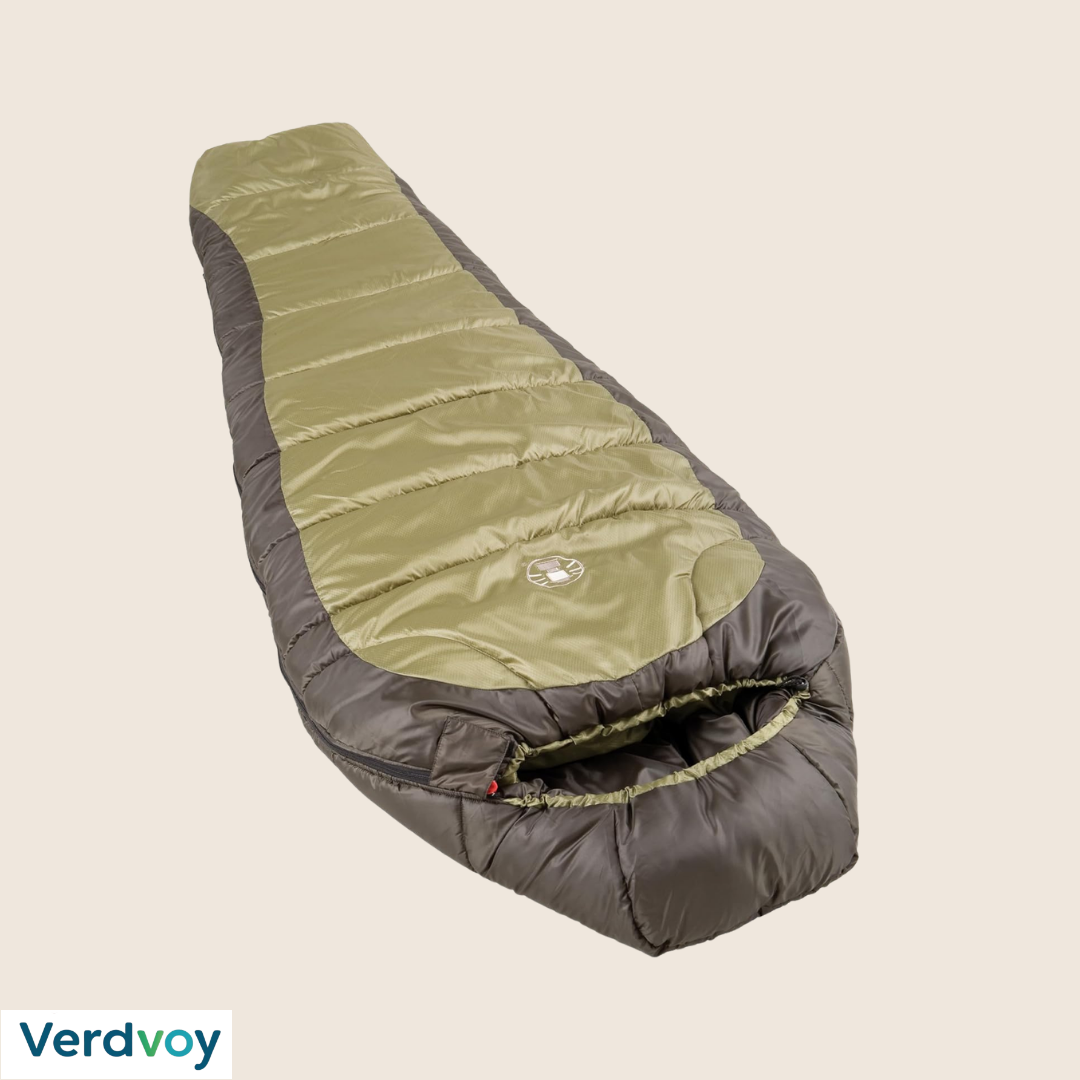
The Coleman North Rim 0°F Sleeping Bag is for campers who want reliable cold-weather performance at an affordable price. The mummy-style design and thermal insulation make it one of the most popular budget winter sleeping bags.
It includes Coletherm hollow polyester insulation that effectively traps heat while keeping the overall weight light. When combined with the mummy shape, this insulation reduces the amount of space and retains body warmth more effectively.The Thermolock draft tube also works to keep warm air in and prevent heat loss along the zipper. It’s especially helpful on cold evenings, when any heat escaping an otherwise locked space won’t help with comfort.
The North Rim also has an adjustable hood that allows campers to cinch the opening around their head to prevent heat loss while still ventilating.Intended for campers under 6 ft 2 in, the bag provides a spacious yet thermally effective sleeping environment. It’s not an ultralight backpacking bag, but it does a great job for car camping/winter camping and general cold-weather trips.
5. Sea to Summit Spark Women’s Ultralight Down Sleeping Bag (Best Women’s Ultralight Bag)
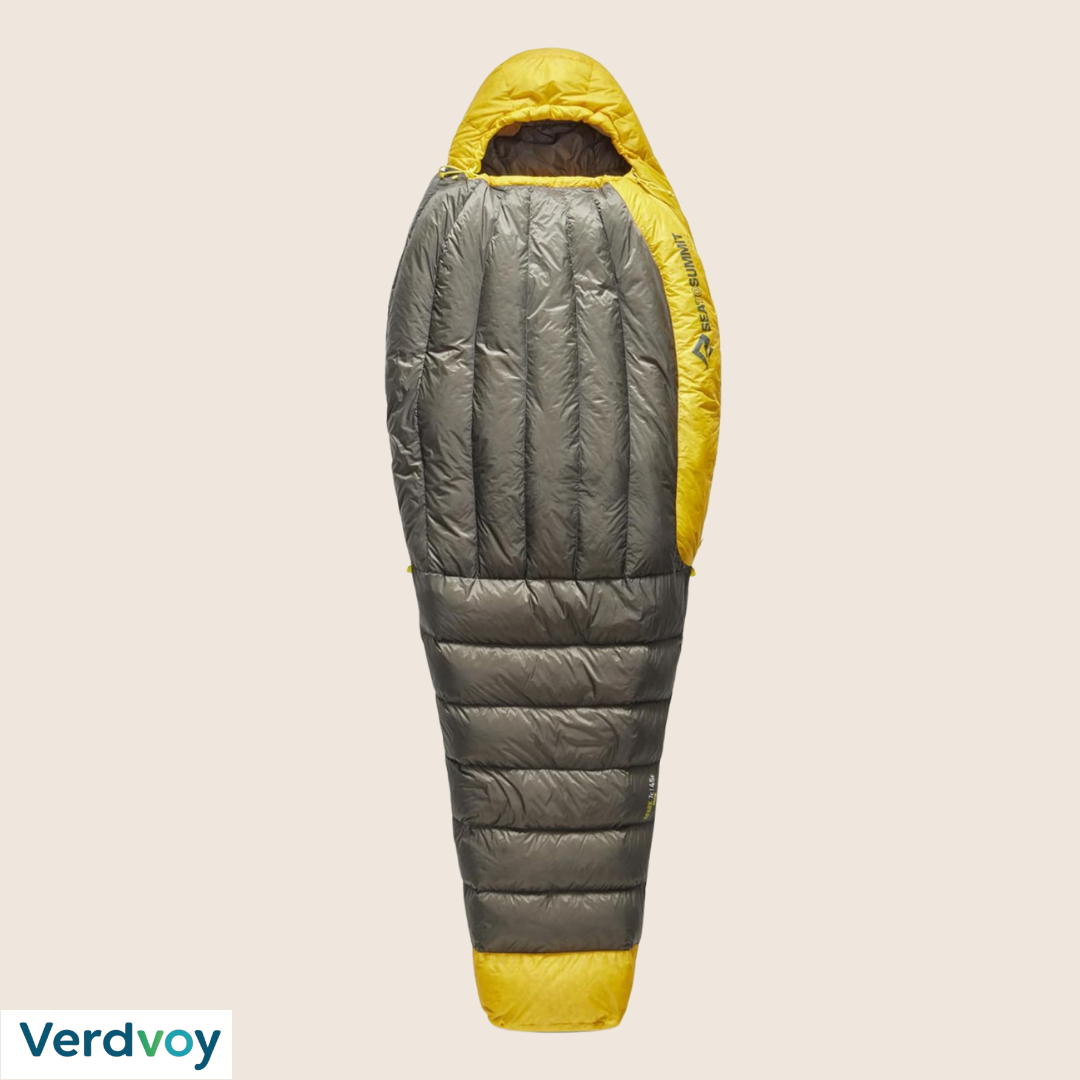
Sea to Summit Spark Women’s UL Down Sleeping Bag, $650. The Sea to Summit Spark Women’s Ultralight Down Sleeping Bag. • Therm-a-Rest Women’s Questar 20 Down Sleeping Bag. Designed to achieve maximum thermal efficiency with minimal weight and bulk for travel, this women-specific design is skilfully engineered.
Arguably one of its best features, though, is the high warmth-to-weight ratio from the 850+ fill down insulation. The insulation itself comes with some degree of Ultra-Dry Down technology to keep it lofted and working well in slightly moist environments.The outer shell is made from ultralight 10D nylon with a PFC-free DWR (durable water repellent) finish that protects the hood and footbox from moisture while keeping overall weight unbelievably low. A breathable liner also helps with sleeping outdoors for longer durations.
It’s also shorter and narrower in the shoulders, with a wider hip area than unisex models, to eliminate dead air space and retain warmth better for female backpackers. The internal down chambers are contoured to fit a woman’s body, helping hold heat when it is cold.Top-end insulation, ultra-lightweight fabrics, and an ergonomic design make this bag featherweight for three-season backpacking, bikepacking, and alpine travel.
6. Sierra Designs Cloud 20° DriDown Sleeping Bag (Best Zipperless Design)
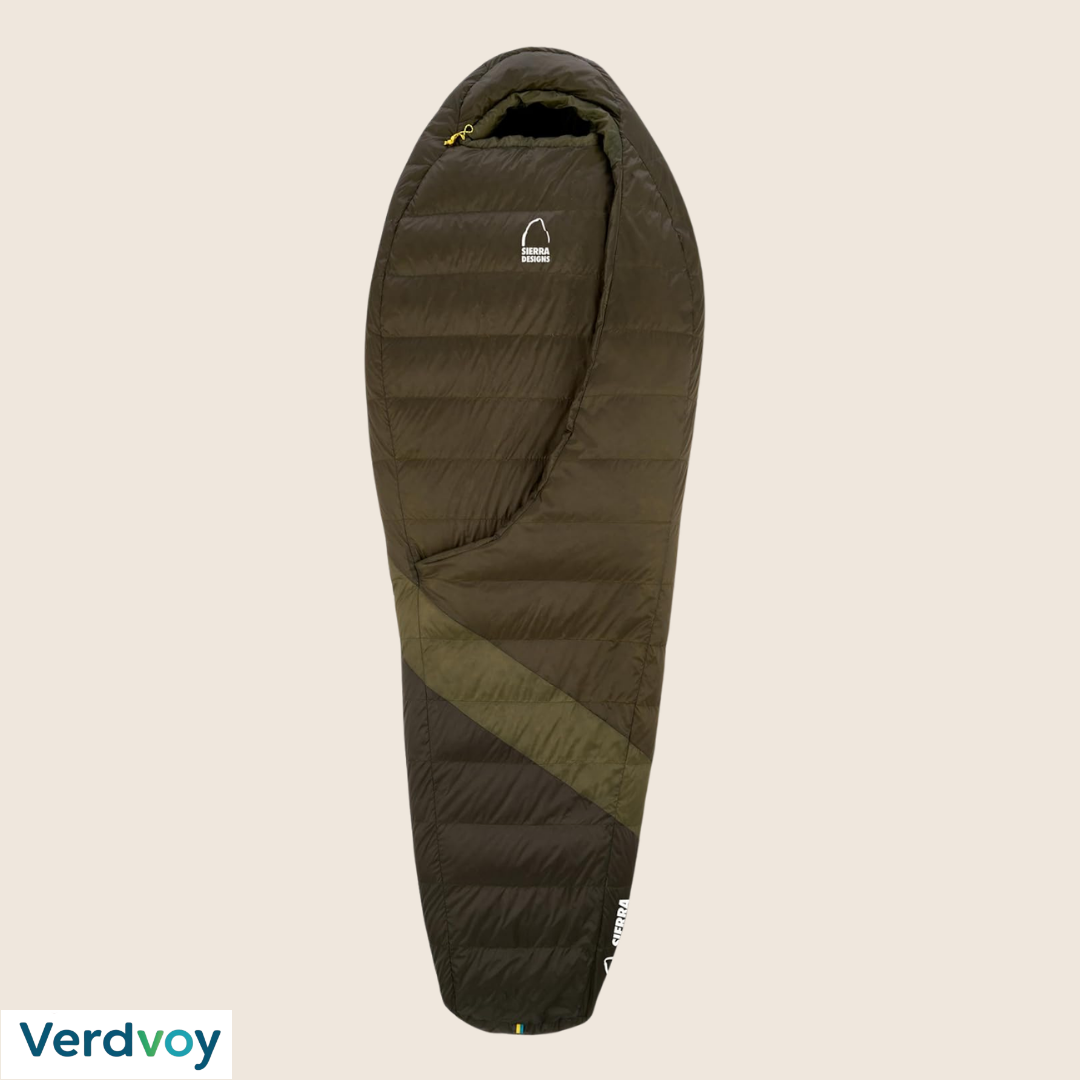
In the land of backpacking, zippers are prevalent enough that you might take them for granted — except with the Sierra Designs Cloud 20° DriDown Sleeping Bag, which has decided to ditch the zipper and open like a blanket. Instead of standard zippers, which can snag or create cold spots, this sleeping bag features a comforter-style opening so campers can move naturally while staying warm.
It’s insulated with down treated with DriDown, which is more moisture resistant than untreated down. And it means the insulation retains loft and warmth (when wet), which is vital for multi-day backpacking trips.It also benefits from ultralight construction. A little weight but no bulk: The Cloud 20 weighs just shy of 2 pounds and is built for backpackers looking for a warm sleeping system they can carry without bulk. The lightweight nylon shell makes the bag easy to compress for packing.
Unlike a tight mummy hood, the Cloud sleeping bag features a comforter-style hood integrated with a shoulder pocket design. This lets side sleepers tuck their shoulders in for warmth while still allowing a full range of motion throughout the night.This design makes sleeping in the Sierra Designs Cloud feel more like being wrapped in a down comforter than being trapped in a classic-shaped mummy bag. It’s a smart substitute for those who hate being all wrapped up in sleeping bags but still want warmth and efficiency.
Sea to Summit Spark Pro Ultralight Down Sleeping Bag (Best Ultralight Premium Sleeping Bag)
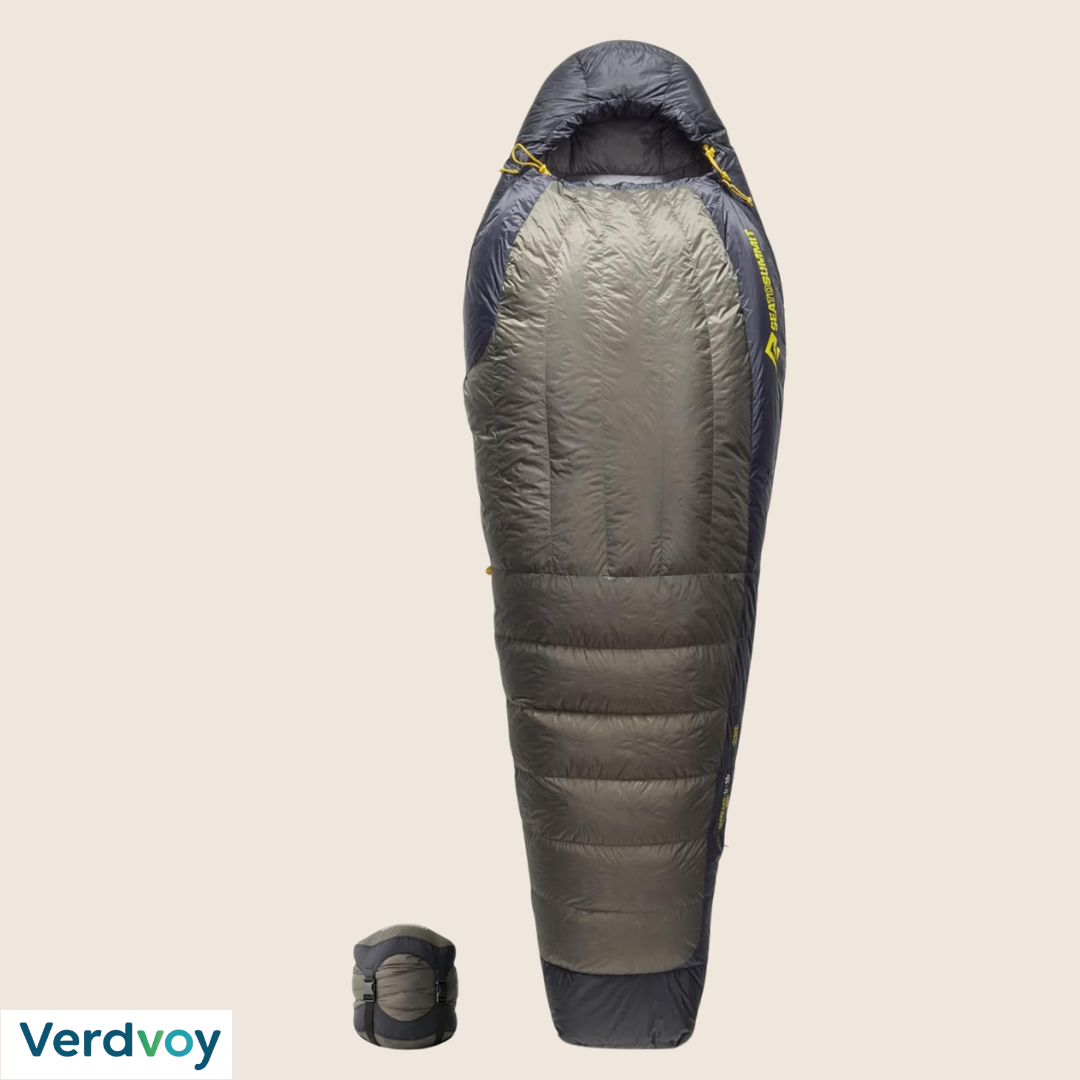
Sea to Summit Spark Pro Ultralight Down Sleeping Bag is made for serious backpackers who demand the best in weight, performance, and packability. Weighing just 1.6 pounds, it’s one of the lightest sleeping bags in its category and good for long-distance hiking trips as well as minimalist travel.950+ fill power down insulation that provides warmth and compressibility. Ultra-Dry Down treats the insulation, giving it loft and performance in even slight dampness, which helps on multi-day trips.
Its Free Flow Zip System is convenient to adjust, providing a wide range of venting options. You can open the bag wide like a quilt, or use the side zipper, footbox, and shoulder zippers to vent for more airflow. And that provides flexibility most ultralight bags lack.With a 10D nylon shell and liner, the bag weighs wire-thin and can be mercifully paired with tougher, more water-resistant fabrics in key areas like the hood and footbox.
This is not a budget lightweight for beginners — it’s an advanced fixture aimed at diehard backpackers that prioritize performance above all else.
How to Choose the Right One for Your Camping Style?
A proper sleeping bag can greatly enhance your camping experience. The models in this guide range from heavyweight cold-weather bags like the Coleman Heritage Big & Tall to ultralight backpacking choices like the Sea to Summit Spark series. Every sleeping bag is built for a different kind of camper, depending on whether you prefer warmth, portability, durability, or comfort. It can help to understand the key elements that impact performance before choosing which one to purchase. Here’s how to choose a sleeping bag that fits your camping style, climate, and travel.
Temperature Rating Matters Most
The first thing you need to check when selecting a sleeping bag is the temperature rating. That number represents the coldest climate the bag can withstand, but it’s typically a survival threshold rather than true comfort. For instance, winter camping and freezing conditions would require a 0°F-rated0°F-rated bag (e.g., Coleman North Rim or TETON Deer Hunter). Bags rated at about 15–20°F, like the Kelty Cosmic 20 or Sea to Summit Spark, can easily be used for three-season backpacking. A good rule of thumb is to select a sleeping bag rated 10–15°F lower than the lowest temperature you expect.
1. Winter camping: 0°F or lower
2. Three-season camping: 15–30°F
3. Summer camping: 30–50°F
Insulation Type: Down vs Synthetic
Sleeping bags usually have one of two types of insulation: down or synthetic, and the right choice for you depends on your camping approach. Down insulation is an outstanding warmth-to-weight ratio compared to synthetics, making it the ideal choice for backpackers looking to shed grams. Models such as the Sea to Summit Spark and the Kelty Cosmic 20 use high-fill-power down that compresses well while retaining warmth. Synthetic insulation is generally heavier but performs better when wet and tends to be less expensive.
1. Down insulation: Has a higher warmth-to-weight ratio
2. Synthetic insulation: better moisture resistance
3. Down bags need to be dried and stored carefully
Shape Affects Warmth and Comfort
The shape of a sleeping bag can greatly affect how warm and comfortable you feel throughout the night. Rectangular bags have the most room to move around in and stretch out. This layout is conducive to car camping, which explains why bags like the Coleman Heritage Big & Tall and the TETON Deer Hunter are so roomy. On the contrary, mummy-shaped bags are thinner and more thermally efficient because they limit the amount of empty air space in the bag. Ultralight backpacking bags, like the Kelty Cosmic 20 and Sea to Summit Spark, depend on this shape to trap heat.
Weight and Packability for Travel
Packability for Travel Weight comes in a distant second to that of a sleeping bag. Ultralight sleeping bags such as the Sierra Designs Cloud 20 or Sea to Summit Spark are designed to compress to teeny sizes and weigh about 2 pounds (or less). All of which make them perfect for hikers, bikepackers, and minimalists. Heavier bags (like the Coleman Heritage Big & Tall or TETON Deer Hunter) weigh 8 pounds or more, but they deliver serious warmth and comfort for car camping. The weight you should go for depends on whether you will be carrying your gear long distances.
Size and Fit for Better Warmth
A properly fitting sleeping bag will keep you warmer and more comfortable throughout the night. When a sleeping bag is too large, your body must heat unoccupied space — this costs thermal efficiency. Many brands have multiple size options that fit different heights and body types. The Sea to Summit Spark Women’s sleeping bag, for example, is designed specifically for female campers. Oversized options like the Coleman Heritage Big and Tall, for example, can comfortably accommodate campers up to 6 ft 7 in.
Extra Features That Improve Comfort
Modern sleeping bags feature a few small features that make a real-world difference in a camping setup. Draft tubes along the zipper work to minimize heat loss, and adjustable hoods trap warmth around the head and neck. Some sleeping bags even showcase ingenuity that improves your sleep quality. Take, for example, the Sierra Designs Cloud 20, which features a zipperless comforter-style opening that lets you shift naturally in your sleep.
Choosing the right sleeping bag ultimately depends on how and where you plan to camp. Winter campers will benefit from heavy-duty insulated bags, while backpackers should prioritize lightweight and compressible designs. By considering temperature rating, insulation type, shape, and weight, you can find a sleeping bag that keeps you comfortable on every adventure.
Frequently Asked Questions
Q: How do I choose the right sleeping bag temperature rating?
A: The temperature rating indicates the lowest point a sleeping bag can sustain, but it’s often a limit of survival as opposed to one of comfort. To sleep comfortably, pick a bag rated 10–15°F colder than the lowest temperature you’ll encounter. For instance, a 20°F bag like the Kelty Cosmic 20 or Sierra Designs Cloud 20 is typically comfortable at about 30–35°F; if you get out in colder conditions, it may be worth looking for something rated to around 0°F, such as the Coleman North Rim or TETON Deer Hunter.
Q: What’s the difference between down and synthetic bags?
A: Down insulation, which comes from duck or goose feathers, has an excellent warmth-to-weight ratio, so it’s great when backpacking. Sleeping bags like the Sea to Summit Spark series and Kelty Cosmic 20 use high-fill-power down, which compresses more easily and weighs less. Synthetic insulation like that found in bags such as the Coleman North Rim and Coleman Heritage Big & Tall is heavier. Still, it works better in a wet environment and is generally cheaper. Down is better for light travel, and synthetic insulation shines in durable camping setups.
Q: Are ultralight sleeping bags worth the higher price?
A: Ultralight sleeping bags are worth it if you backpack regularly or do long sections of hiking. These bags incorporate quality materials and high-end down insulation to minimize weight while providing warmth. That’s just the kind of bag a very good camping bag, like the Sea to Summit Spark Ultralight and Sierra Designs Cloud 20, weighs less and packs down small. But those tend to be pricier and not quite as rugged. If most of your camping is car-based, something heavier like the Coleman Heritage Big & Tall might be more comfortable for the price.
Q: How do I clean and care for a sleeping bag?
A: Care keeps insulation lofting and extends the life of your sleeping bag. Down sleeping bags, like the Sea to Summit Spark or Kelty Cosmic 20, should be washed gently with down-specific detergent and dried slowly to restore loft. Synthetic bags (such as the Coleman North Rim or TETON Deer Hunter) are typically easy to wash and can often be machine-washed on a gentle cycle. Always dry the sleeping bag completely before storing, and do not store it long-term in small compression sacks.
Q: What sleeping bag shape is best for camping?
A: Sleeping bags come in primarily two shapes, rectangular and mummy, with each suited for different kinds of camping. If you’re car camping, rectangular bags include the Coleman Heritage Big & Tall or TETON Deer Hunter, which offer more space and comfort. Mummy-shaped bags, such as the Kelty Cosmic 20 and Sea to Summit Spark, are narrower and more thermally efficient overall, which helps retain body heat in chilly conditions. Backpacking bags — which typically come in a mummy shape to reduce weight and condense size.
Q: Why do some sleeping bags have women’s versions?
A: Women’s sleeping bags are more suited for certain female body shapes and help preserve heat. To minimize unused air space, they are usually shorter and narrower at the shoulders, while wider at the hip area. This increases warmth and comfort in low temperatures. The Sea to Summit Spark Women’s Ultralight Sleeping Bag, for instance, has been designed with these adjustments in mind. However, the ideal pick ultimately comes down to what fits you, so make sure you’re checking dimensions and sizing before purchasing.